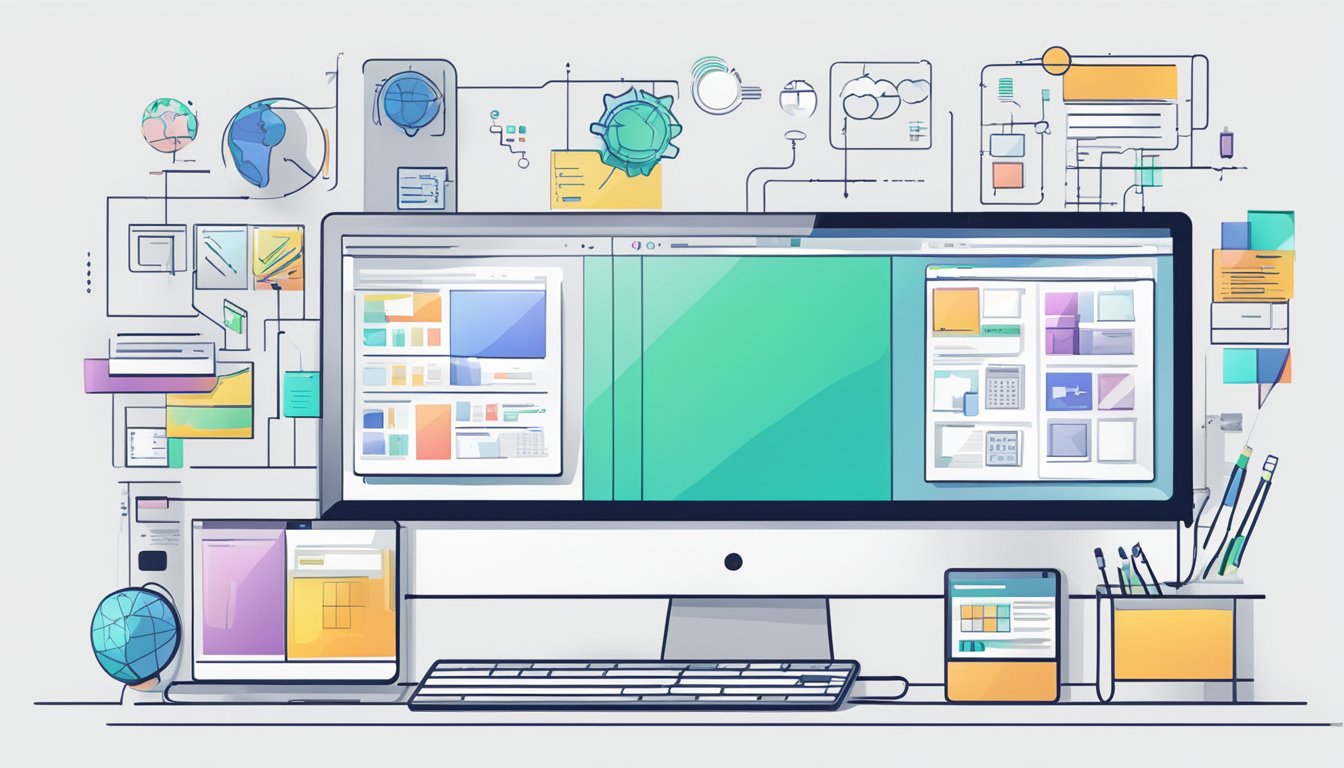
Digitaalinen työ on tänä päivänä yhä tärkeämpää, kun yhä useammat yritykset siirtyvät digitaaliseen toimintaympäristöön. Digitaalisen työn perusteisiin kuuluu muun muassa tietokoneen käyttötaidot, ohjelmistojen ja sovellusten käyttö, tietoturva, verkkoyhteydet ja sähköpostin käyttö.
Tietokoneen käyttötaidot ovat tärkeitä digitaalisessa työssä, sillä lähes kaikki työpaikat edellyttävät tietokoneen käyttöä. Tärkeimmät taidot ovat muun muassa näppäimistön käyttö, tiedostojen tallentaminen ja avaaminen, sekä tiedostojen jakaminen muiden kanssa.
Ohjelmistojen ja sovellusten käyttö on myös tärkeää digitaalisessa työssä. Yritykset käyttävät erilaisia ohjelmistoja ja sovelluksia, jotka helpottavat työntekijöiden työtä ja parantavat tuottavuutta. Tärkeimmät ohjelmistot ovat muun muassa tekstinkäsittelyohjelmat, taulukkolaskentaohjelmat ja sähköpostiohjelmat.
Tietoturva on myös tärkeä osa digitaalista työtä. Työntekijöiden on varmistettava, että heidän tietokoneensa ja muut digitaaliset laitteet ovat suojattu viruksilta ja hakkereilta. Verkkoyhteydet on myös suojattava, jotta tietoja ei pääse luvattomasti käyttämään.
Sähköpostin käyttö on yksi tärkeimmistä osista digitaalista työtä. Sähköpostia käytetään viestinnän välineenä, ja se on nopea ja helppo tapa lähettää ja vastaanottaa tietoa. On tärkeää, että työntekijät osaavat käyttää sähköpostia oikein ja turvallisesti.
Ideointiprosessin vaiheet

Idealiike digitaalisen työn ideoimiseksi sisältää useita vaiheita, jotka auttavat kehittämään innovatiivisia ratkaisuja ja tuotteita. Tässä osiossa käydään läpi ideointiprosessin viisi vaihetta.
Tarpeen tunnistaminen
Ideointiprosessin ensimmäinen vaihe on tarpeen tunnistaminen. Tässä vaiheessa tarkastellaan, mikä ongelma ratkaistaan tai mikä tarve täytetään. Tarpeen tunnistamiseen voi käyttää esimerkiksi SWOT-analyysiä, joka auttaa tunnistamaan organisaation vahvuudet, heikkoudet, mahdollisuudet ja uhat.
Ratkaisujen brainstormaus
Toinen vaihe on ratkaisujen brainstormaus. Tässä vaiheessa ideoidaan erilaisia ratkaisuja ongelmaan tai tarpeeseen. Brainstormauksessa voi käyttää esimerkiksi mind map -menetelmää, joka auttaa visualisoimaan eri ratkaisuvaihtoehtoja.
Konseptien kehittäminen
Kolmas vaihe on konseptien kehittäminen. Tässä vaiheessa valitaan parhaat ratkaisut ja kehitetään niistä tarkempia konsepteja. Konseptien kehittämisessä voi käyttää esimerkiksi SWOT-analyysin pohjalta kehitettyä idea- ja konseptikortteja.
Prototyyppien luominen
Neljäs vaihe on prototyyppien luominen. Tässä vaiheessa kehitetään konkreettisia prototyyppejä parhaista konsepteista. Prototyyppien luomisessa voi käyttää esimerkiksi 3D-tulostusta tai muuta teknologiaa.
Testaus ja palautteen kerääminen
Viimeinen vaihe on testaus ja palautteen kerääminen. Tässä vaiheessa testataan prototyyppejä ja kerätään palautetta, jonka perusteella kehitetään ratkaisuja edelleen. Testauksessa voi käyttää esimerkiksi käyttäjätestausta tai muita testausmenetelmiä.
Ideointiprosessin vaiheet auttavat organisaatiota kehittämään innovatiivisia ratkaisuja ja tuotteita. Prosessi on joustava ja sen vaiheet voivat vaihdella organisaation tarpeiden mukaan.
Työkalut ja teknologiat

Digitaalisen työn ideointiin on olemassa monia erilaisia työkaluja ja teknologioita, jotka voivat auttaa tiimejä kehittämään ideoitaan ja saavuttamaan tavoitteensa. Tässä osiossa käsitellään neljää tärkeää työkaluryhmää: pilvipalvelut, projektinhallintatyökalut, kommunikaatioalustat ja suunnitteluohjelmistot.
Pilvipalvelut
Pilvipalvelut ovat tärkeitä työkaluja digitaalisen työn ideointiin, sillä ne mahdollistavat tiimien jäsenten välisen yhteistyön ja tiedon jakamisen. Pilvipalveluiden avulla tiimit voivat tallentaa ja jakaa tärkeitä dokumentteja ja muita tiedostoja, jotka ovat kaikkien saatavilla missä ja milloin tahansa.
Esimerkkejä pilvipalveluista ovat Google Drive, Dropbox ja Microsoft OneDrive. Nämä palvelut tarjoavat käyttäjilleen helpon tavan tallentaa ja jakaa tiedostoja, ja niissä on usein myös muita ominaisuuksia, kuten mahdollisuus kommentoida ja muokata tiedostoja yhdessä.
Projektinhallintatyökalut
Projektinhallintatyökalut ovat tärkeitä digitaalisen työn ideointiin, sillä ne auttavat tiimejä hallitsemaan projektejaan tehokkaasti. Projektinhallintatyökaluilla tiimit voivat seurata projektin etenemistä, jakaa tehtäviä ja aikatauluja sekä kommunikoida keskenään.
Esimerkkejä projektinhallintatyökaluista ovat Trello, Asana ja Monday.com. Nämä työkalut tarjoavat käyttäjilleen helpon tavan hallita projektejaan, ja niissä on usein myös muita ominaisuuksia, kuten mahdollisuus luoda muistilistoja ja aikatauluja.
Kommunikaatioalustat
Kommunikaatioalustat ovat tärkeitä digitaalisen työn ideointiin, sillä ne mahdollistavat tiimien jäsenten välisen vuorovaikutuksen ja keskustelun. Kommunikaatioalustojen avulla tiimit voivat jakaa ideoitaan ja keskustella yhdessä, mikä auttaa heitä kehittämään parempia ideoita.
Esimerkkejä kommunikaatioalustoista ovat Slack, Microsoft Teams ja Zoom. Nämä työkalut tarjoavat käyttäjilleen helpon tavan kommunikoida keskenään, ja niissä on usein myös muita ominaisuuksia, kuten mahdollisuus jakaa tiedostoja ja tallentaa keskusteluja.
Suunnitteluohjelmistot
Suunnitteluohjelmistot ovat tärkeitä digitaalisen työn ideointiin, sillä ne mahdollistavat tiimien jäsenten visuaalisen suunnittelun ja ideoiden esittämisen. Suunnitteluohjelmistojen avulla tiimit voivat luoda kaavioita, piirroksia ja muita visuaalisia elementtejä, jotka auttavat heitä selkeyttämään ideoitaan.
Esimerkkejä suunnitteluohjelmistoista ovat Figma, Sketch ja Adobe XD. Nämä työkalut tarjoavat käyttäjilleen helpon tavan luoda visuaalisia elementtejä, ja niissä on usein myös muita ominaisuuksia, kuten mahdollisuus jakaa suunnitelmia ja saada palautetta.
Yhteistyö ja kommunikaatio

Digitaalisessa työskentelyssä yhteistyö ja kommunikaatio ovat avainasemassa. Idealiikkeen tavoitteena on edistää tiimityöskentelyä ja vahvistaa yhteisöllisyyttä digitaalisessa työympäristössä.
Tiimityöskentelyn edistäminen
Tiimityöskentely vaatii selkeitä tavoitteita, roolien jakamista ja luottamusta. Digitaalisessa työympäristössä tiimityöskentelyyn liittyvät haasteet voivat liittyä esimerkiksi aikaeroihin, kielimuuriin tai teknisiin ongelmiin. Siksi on tärkeää kehittää tiimityöskentelytaitoja ja löytää toimivia viestintäkanavia.
Yksi tapa edistää tiimityöskentelyä on käyttää yhteisiä työkaluja, kuten projektinhallintajärjestelmiä, videokokoussovelluksia ja pikaviestimiä. Näiden avulla tiimin jäsenet voivat jakaa tietoa ja kommunikoida reaaliaikaisesti. Lisäksi on hyvä sopia yhteisistä pelisäännöistä, kuten työaikojen ja vastuualueiden jakamisesta.
Etätyön haasteet ja mahdollisuudet
Etätyöskentelyn haasteisiin kuuluvat esimerkiksi yksinäisyys, keskittymisvaikeudet ja työn ja vapaa-ajan sekoittuminen. Siksi on tärkeää tarjota työntekijöille tukea ja ohjeistusta etätyöskentelyyn liittyvissä kysymyksissä.
Samalla etätyöskentely tarjoaa myös mahdollisuuksia, kuten joustavuutta työaikojen suhteen ja mahdollisuuden työskennellä missä tahansa. Tämä voi lisätä työntekijöiden tyytyväisyyttä ja parantaa työn tuottavuutta.
Yhteistyön ja kommunikaation kehittäminen on tärkeä osa idealiikkeen tavoitteita digitaalisen työn ideoimiseksi. Tiimityöskentelyn edistäminen ja etätyön haasteiden huomioiminen voivat parantaa työympäristön tehokkuutta ja työntekijöiden hyvinvointia.
Käyttäjäkeskeinen suunnittelu
Käyttäjäkeskeinen suunnittelu on tärkeä osa digitaalisen työn ideoimista ja kehittämistä. Sen avulla voidaan varmistaa, että lopputulos vastaa käyttäjien tarpeita ja odotuksia. Käyttäjäkeskeisessä suunnittelussa keskitytään käyttäjän kokemukseen ja tarpeisiin, ja suunnitteluprosessi on iteratiivinen.
Käyttäjäkeskeinen suunnittelu voidaan jakaa useaan eri vaiheeseen. Ensimmäisessä vaiheessa tutustutaan käyttäjien tarpeisiin ja odotuksiin. Tämän jälkeen suunnitellaan käyttöliittymä ja testataan sitä käyttäjillä. Lopuksi käyttöliittymä viimeistellään ja julkaistaan.
Käyttäjäkeskeisessä suunnittelussa tärkeää on myös käyttäjän osallistaminen suunnitteluprosessiin. Käyttäjät voivat antaa palautetta ja ehdotuksia suunnittelun eri vaiheissa. Tämä varmistaa sen, että lopputulos vastaa käyttäjien tarpeita ja odotuksia.
Käyttäjäkeskeinen suunnittelu on tärkeä osa digitaalisen työn ideointia ja kehittämistä, ja sen avulla voidaan varmistaa lopputuloksen laatu ja käyttäjäystävällisyys.
Digitaalisen työn mittaaminen ja analysointi
Digitaalisen työn mittaaminen ja analysointi on tärkeä osa digitaalista työprosessia. Mittaamalla ja analysoimalla digitaalisen työn tuloksia, yritykset voivat seurata kampanjoiden tehokkuutta, ymmärtää asiakkaiden käyttäytymistä ja kehittää parempia strategioita tulevaisuutta varten.
Yksi tapa mitata digitaalisen työn tehokkuutta on käyttää mittareita, kuten konversioasteita, klikkausprosentteja ja avausprosentteja. Nämä mittarit voivat auttaa yrityksiä ymmärtämään, kuinka hyvin heidän kampanjansa toimivat ja missä heidän markkinointistrategiansa kaipaavat parannuksia.
Toinen tapa mitata digitaalista työtä on käyttää analytiikkaa. Analytiikan avulla yritykset voivat saada syvällisempää tietoa asiakkaiden käyttäytymisestä, kuten heidän sijainnistaan, käyttämistään laitteista ja siitä, kuinka kauan he viettävät aikaa yrityksen verkkosivuilla.
Digitaalisen työn analysointi auttaa yrityksiä myös tunnistamaan trendejä ja kehityssuuntia, jotka voivat auttaa yrityksiä kehittämään parempia strategioita tulevaisuutta varten. Analytiikka voi myös auttaa yrityksiä tunnistamaan ongelmia, kuten korkean poistumisasteen tai huonon konversioasteen, jotka voivat olla merkkejä siitä, että jotain on pielessä yrityksen digitaalisessa strategiassa.
Lopuksi, digitaalisen työn mittaaminen ja analysointi on tärkeä osa digitaalista markkinointia ja liiketoimintaa. Yritykset, jotka käyttävät analytiikkaa ja mittareita, voivat kehittää parempia strategioita, ymmärtää asiakkaidensa käyttäytymistä ja parantaa tuloksiaan.
Trendit ja tulevaisuuden näkymät
Digitaalinen työ on kasvava trendi, joka tulee jatkumaan myös tulevaisuudessa. Yksi suurimmista trendeistä on etätyön yleistyminen, joka on johtanut työpaikkojen muutokseen ja uusiin työskentelytapoihin. Etätyö on mahdollistanut työntekijöille joustavammat työajat ja mahdollisuuden työskennellä mistä tahansa. Tämä on johtanut myös uusien työkalujen ja ohjelmistojen kehittämiseen, jotka helpottavat etätyön tekemistä.
Toinen tärkeä trendi on tekoälyn käytön lisääntyminen. Tekoäly voi auttaa yrityksiä parantamaan tuottavuuttaan ja tehokkuuttaan, sillä se voi automatisoida monia työtehtäviä. Esimerkiksi asiakaspalveluun käytetään yhä enemmän chatboteja, jotka voivat vastata asiakkaiden kysymyksiin ja auttaa heitä löytämään tarvitsemansa tiedot nopeasti.
Kolmas tärkeä trendi on big datan käytön lisääntyminen. Big dataa voidaan käyttää monella tavalla, esimerkiksi markkinointikampanjoiden kohdentamiseen ja asiakastyytyväisyyden parantamiseen. Analysoimalla suuria määriä dataa yritykset voivat saada arvokasta tietoa asiakkaidensa käyttäytymisestä ja tarpeista.
Nämä trendit osoittavat, että digitaalinen työ on tulevaisuuden suunta. Yritysten on pysyttävä ajan tasalla ja hyödynnettävä uusia teknologioita ja työskentelytapoja, jotta ne voivat pysyä kilpailukykyisinä.